

 Jeffrey Powell, DO is a board-certified physician, specializing in Internal Medicine and Family Medicine at Tree City Medical Partners.
Dr. Powell provides care to adults 18 years and above. He is expertly trained to diagnose and treat a wide range of diseases and conditions. Dr. Powell is committed to helping patients achieve better health through personalized, compassionate care.
Both Powell and trusted resources offer the following recommendations to guide your care.
Kidney Health— What You Should Know

Your kidneys are a pair of small organs that play a significant role. Compare them to a water filtration system — the kidneys filter approximately 200 quarts of fluid daily, removing waste and toxins, and ensuring that only the filtered blood reaches you. You might not think much about your kidneys and their function, but staying informed about these organs, what they do, and signs they may not be working at their best is important.
Continue reading to learn more about the kidneys.
Kidney’s Function
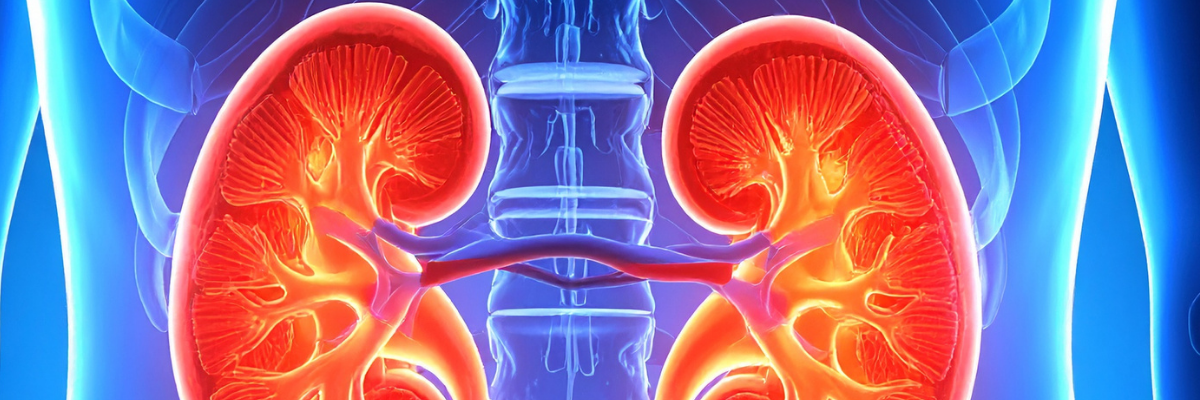
The kidneys are a crucial part of our body’s anatomy, a part of the urinary system, working together with the bladder, ureters, and urethra to filter blood and remove waste.
The filtration process happens every 30 minutes! When blood enters the kidneys through an artery from the heart, it then travels through filters, which separate the nutrients you need from the waste you don’t, creating urine. From there, the ureters carry the urine to the bladder, and clean blood goes back into circulation throughout the body.
It’s important that this process takes place properly so waste and excess fluid can be removed from the body. When the waste is removed, this allows for the creation of red blood cells and maintains good blood pressure.
How to Keep Up Good Kidney Health

Keeping your kidneys healthy is crucial to your overall health. There are a few things you can do to lower your risk of developing kidney disease. The Mayo Clinic cites the importance of following the instructions on over-the-counter pain relievers such as ibuprofen (Advil, Motrin) and Naproxen (Aleve). Long-term, high-dose usage of these medications, also known as NSAIDs (Nonsteroidal Anti-Inflammatory Drugs), can lead to an increased risk of developing Chronic Kidney Disease (CKD). If using these medications, take only the recommended dosage.
Smoking also has a factor in damaging kidney health, and worsens conditions for those already experiencing kidney issues. Tobacco can alter how blood flows through the kidneys, forcing these tiny organs to work even harder to filter waste. Over time, this significantly increases the risk of developing CKD or even kidney cancer. If you aren’t currently a smoker, do not start. If you do smoke, consult your family medicine provider for assistance and support in quitting smoking. There are more resources available here.
Maintaining a healthy weight is another way to lower your risk of developing kidney disease. Obesity can cause inflammation in the glomeruli and increase the stress on the kidneys, making them work harder to filter. Consult your family medicine provider before beginning a new diet or exercise program.
Managing chronic conditions you already experience with the help of your care team is crucial. Your healthcare team can help you, and you don’t have to manage these conditions alone. If you have high blood pressure, regularly take your blood pressure at home and ensure you are taking prescribed blood pressure medications as directed.
Chronic Kidney Disease and Risk Factors

Several risk factors can increase your risk for developing CKD, a condition that affects 1 in 7 adults in the United States. The NKF estimates that about 90% of adults with CKD don’t know they have it.
The major risk factors identified by the NKF include having diabetes, high blood pressure, heart disease and/or heart failure, obesity, a family history of CKD or kidney failure, or a history of acute kidney injury (formerly known as acute renal failure). For those with a family history of CKD, or who have family members who have been on dialysis or received a kidney transplant, your risk doubles or even triples for developing the condition yourself.
“Chronic kidney disease often develops silently, which is why knowing your risk factors and staying on top of routine screenings is so important,” says Dr. Jeffrey Powell, Internal Medicine Physician at Tree City Medical Partners. “By working closely with your Internal Medicine or Family Medicine provider, you can take steps to protect your kidney health and catch potential issues early, when treatment is most effective.”
Additional risk factors include age (being 60 or older), having a low birth weight, long-term high-dose usage of NSAIDs, having certain autoimmune disorders, chronic urinary tract infections, and kidney stones. The National Kidney Foundation has a quick quiz to determine your risk, which can be taken here.
Warning Signs for Kidney Issues

Knowing the symptoms of CKD or other kidney function concerns could save your life.
Symptoms include fatigue, difficulty or pain when urinating, increased thirst, needing to urinate more frequently, swelling in the hands, face, abdomen, ankles, and feet, nausea, difficulty concentrating, blood in the urine, or a foamy appearance to the urine. If you experience any of these symptoms, do not hesitate to notify your family medicine provider.
According to the National Kidney Foundation, most individuals with early stages experience no symptoms whatsoever, and by the time symptoms do appear, the condition may be advanced. Therefore, early detection and preventative screenings are imperative.
Preventative Screenings & Exams

Being mindful of your risk factors and current conditions is extremely important. Your Family Medicine provider can be informed of your personal medical history and family history, making personalized care recommendations. Two simple tests evaluate kidney function: Albumin Creatinine Ratio (ACR) and Glomerular Filtration Rate (GFR). These preventative screenings allow you to stay on top of your kidney health.
If results from these tests show decreased kidney function, your provider may refer you to a Nephrologist, a kidney specialist, for more complex care.
At DCMH, we are committed to promoting kidney health. Your health is our priority. To schedule an appointment with a DCMH Internal Medicine or Family Medicine provider, call 812-222-DOCS today.
The information provided in this health insights article is intended for general informational purposes only and is not a substitute for professional medical advice, diagnosis, or treatment. Always seek the advice of your qualified health provider with any questions you may have regarding a medical condition. Don’t disregard professional medical advice or delay in seeking it because of something you have read on this article.
Additional References:
- 6-step guide to protecting kidney health. National Kidney Foundation. (2026a, January 6). https://www.kidney.org/kidney-topics/6-step-guide-to-protecting-kidney-health
- Cleveland Clinic. (2025, December 22). What is a Kidney?. Cleveland Clinic. https://my.clevelandclinic.org/health/body/21824-kidney
- Cleveland Clinic. (2025a, July 29). Understanding your urinary system: Your body’s filter. Cleveland Clinic. https://my.clevelandclinic.org/health/body/21197-urinary-system
- Kidney Function. National Kidney Foundation. (2026, January 4). https://www.kidney.org/kidney-topics/kidney-function
- Mayo Foundation for Medical Education and Research. (2025, December 9). Chronic kidney disease. Mayo Clinic. https://www.mayoclinic.org/diseases-conditions/chronic-kidney-disease/symptoms-causes/syc-20354521
- Overweight and obesity. National Kidney Foundation. (2025a, December 8). https://www.kidney.org/kidney-topics/overweight-obesity
- Smoking and kidney health. National Kidney Foundation. (2025, December 8). https://www.kidney.org/kidney-topics/smoking-and-kidney-health