

 Molly Scripture, MD, is an ophthalmic surgeon, providing a broad scope of specialty ophthalmic surgical and clinical care. Dr. Scripture sees patients needing cataract surgery, and care for macular degeneration, glaucoma, and other specialty eye care. Read below as Dr. Scripture and other credible sources detail the importance of routine eye exams.
—
A regular visit to the eye doctor is for much more than just receiving a new pair of glasses or contacts.
According to the CDC, 11 million Americans over the age of 12 require glasses or contacts. Even if you believe you can see without the use of corrective lenses, it is still essential to get routine eye exams.

The vision test many people remember from school, reading letters on a chart across the room, is only a quick screening, not a full eye exam. It simply checks how well you see at one distance. A comprehensive eye exam goes much deeper, evaluating eye health, detecting early signs of disease, and ensuring your vision is truly at its best.
According to the American Optometric Association (AOA), nearly 50% of adults ages 23-28 skip a visit to the eye doctor if they believe their vision is fine. Just by looking into your eyes, your eye doctor sees a window into your overall health. Your eyes can show warning signs of health problems like diabetes, high blood pressure, stroke, and some cancers.
Your routine eye exam could inform your care team about other potential conditions actively impacting your body or on the horizon. The AOA cites that optometrists can detect over 270 serious health conditions through a comprehensive eye exam.
Many eye diseases can go unnoticed for quite some time before they present troubling symptoms. A dilated eye exam by an eye doctor can find these conditions early, making every effort possible to prevent vision loss. Eye conditions such as cataracts, glaucoma, or age-related macular degeneration can be monitored and managed if treated early.
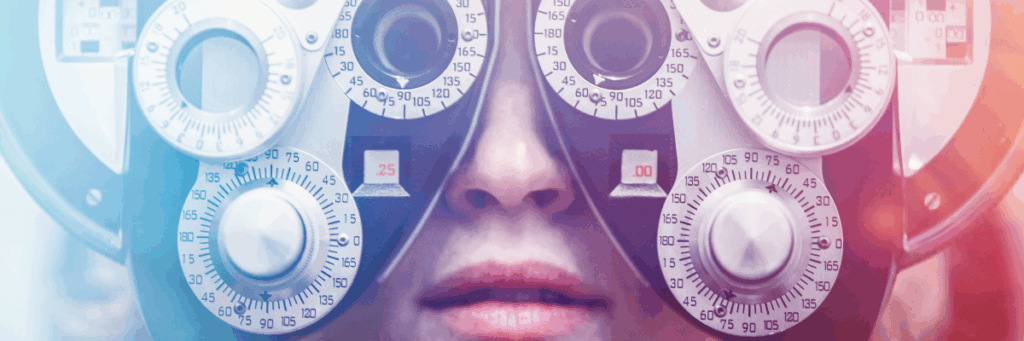
“Routine eye exams can reveal underlying health conditions early,” said Molly Scripture, MD, an Ophthalmic Surgeon with Whitewater Eye Centers, LLC, a visiting physician at Decatur County Memorial Hospital. “That means the patient can receive timely diagnosis and care, resulting in better outcomes. It’s just one of many reasons to receive your exam.”
Glaucoma is particularly troubling as it causes damage to the optic nerve, leading to potential vision loss or even blindness. The condition can go completely unnoticed by those experiencing it until the disease is in its later stages. As the condition worsens, blind spots develop in your vision, increasing pressure in the eye.
Risk factors include age, medical conditions such as diabetes and high blood pressure, family history, and more. According to the Mayo Clinic, the most important measure you can take to detect and manage the condition or other similar eye diseases early is through regular exams.
It’s also important to note the difference between an Optometrist and an Ophthalmologist, as they provide varying services. An Optometrist is a provider seen for routine eye exams, vision correction, and common eye issues, whereas an Ophthalmologist provides medical or even surgical treatment of more complex or serious eye conditions. Seeing the right provider for your needs is important, and your family medicine provider can help you decide which eye doctor is best for you.

Of course, seeing the eye doctor can also improve your vision, even if you think your vision is just fine. If you have always seen the world slightly blurry, you might not think there is an issue, but after trying on a pair of corrective lenses in your correct prescription, the world becomes a lot clearer. Good vision improves safety and helps you stay confident and independent in your daily activities.
Per the recommendations of the AOA, screenings should be every 1-2 years for adults aged 18-64 at low risk of complications and annually for those 65 and older. Those with diabetes, high blood pressure, a family history of eye disease, or those at an elevated risk for eye disease should consult their eye doctor about the frequency of exams.
—
At Decatur County Memorial Hospital, we are committed to prioritizing eye health. During your annual visit with your family medicine provider, be sure to inform your provider if you are experiencing vision or other eye concerns.
—
The information provided in this health insights article is intended for general informational purposes only and is not a substitute for professional medical advice, diagnosis, or treatment. Always seek the advice of your qualified health provider with any questions you may have regarding a medical condition. Don’t disregard professional medical advice or delay in seeking it because of something you have read in this article.
Sources Cited:
20 surprising health problems an eye exam can catch. American Academy of Ophthalmology. (2025, April 17). https://www.aao.org/eye-health/tips-prevention/surprising-health-conditions-eye-exam-detects
Centers for Disease Control and Prevention. (n.d.). Why eye exams are important. Centers for Disease Control and Prevention. https://www.cdc.gov/vision-health/about-eye-disorders/why-eye-exams-are-important.html
Comprehensive eye exams. AOA. (n.d.-a). https://www.aoa.org/healthy-eyes/caring-for-your-eyes/eye-exams
Mayo Foundation for Medical Education and Research. (2024, November 5). Glaucoma. Mayo Clinic. https://www.mayoclinic.org/diseases-conditions/glaucoma/symptoms-causes/syc-20372839
Onur. (2022, January 13). 5 reasons to have an eye exam. The Eye Associates. https://www.theeyeassociates.com/5-reasons-to-have-an-eye-exam/
See the full picture of your health with an annual Comprehensive Eye Exam. AOA. (n.d.). https://www.aoa.org/healthy-eyes/caring-for-your-eyes/full-picture-of-eye-health
What your eye doctor knows about your health. Aetna. (n.d.). https://www.aetna.com/health-guide/2020-vision-still-need-eye-exam.html
Why adults need an eye exam every year | unitedhealthcare. (n.d.). https://www.uhc.com/news-articles/healthy-living/why-adults-need-eye-exam-every-year