

With the winter months, the weather is often cold, bringing snow and ice along with it. In Indiana, January is typically the coldest month of the year and the most likely chance to see heavier snowfall. However, winter weather can sometimes be unpredictable.
Below are a few things you should know to help keep you and your family safe during these winter months.
1. Shoveling Snow
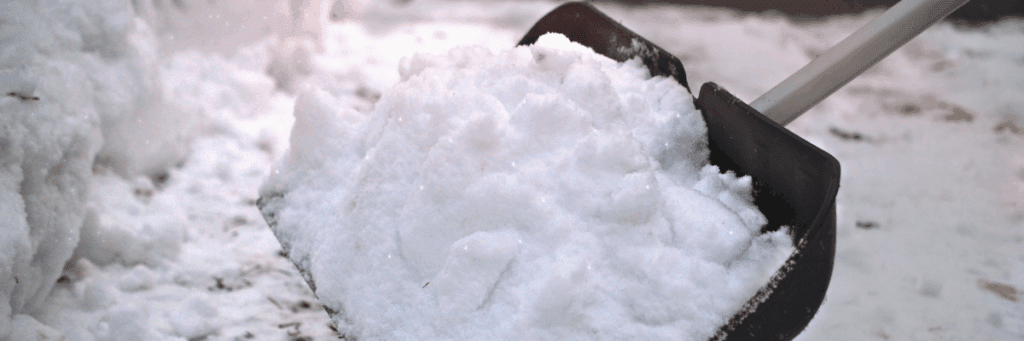
Keeping driveways, sidewalks, and pathways clear and safe for walking or driving is important; however, proper precautions must be taken while shoveling snow. The American Heart Association is tuned into shoveling, noting its potential cardiovascular risk, such as a heart attack, particularly for those who have a history of a heart condition or are typically sedentary.
“Shoveling snow may seem like a simple chore, but it can put sudden strain on your heart,” shared Derrick Plahn, DO, FACC, FASE, RPVI, a cardiologist with Indiana Heart Physicians who sees heart patients at Decatur County Memorial Hospital weekly. “If you have a history of heart disease or haven’t been active recently, it’s important to take it slow, rest often, and ask for help if needed.”
Shoveling is often a full-body workout, raising your heart rate with every scoop. When shoveling, work slowly, take breaks, lift with your legs (not your back), and push the snow rather than lifting it. Cold air can constrict blood vessels, which can raise your blood pressure. Those 45 and older are at heightened risk of incident, and those with heart or musculoskeletal conditions should avoid shoveling snow, regardless of age. Before you shovel, ensure you are wearing proper footwear, take small steps, and bundle up in warm winter gear.

2. Frostbite & Hypothermia
Winter temperatures can increase your risk for hypothermia and frostbite. Hypothermia is caused by a decrease in body temperature below 95°F. This is considered an emergency and should be treated as such. For infants, older adults, and those with certain medical conditions, the risk for hypothermia increases. Warning signs for hypothermia include shivering, exhaustion, confusion, and slurred speech.
According to the National Institute on Aging, hypothermia can also occur in a poorly heated home. Ensure doors and windows are weather-stripped to prevent outside air from coming in. If someone is experiencing symptoms of hypothermia, they must seek medical care as soon as possible. Remove any wet clothing and move into a warm place.
Frostbite can develop when temperatures drop below 5°F, and with wind chills of -16°F, it may occur in as little as 30 minutes of exposure. Typically, fingers, toes, nose, and cheeks are the most likely to be frostbitten; however, any skin exposed can be impacted. Frostbite causes a loss of feeling and discoloration to the skin. Warning signs of frostbite include numbness, white or grayish skin, and/or firm/wavy skin. During frigid temperatures, limit your time outdoors as much as possible.
Just like hypothermia, frostbite is an emergency and requires immediate medical attention. Move into a warm place, cover the impacted skin with a clean, dry cloth, and avoid touching hot surfaces. One of the best ways to avoid hypothermia or frostbite in winter is to dress in layers, stay hydrated, and minimize time spent outdoors.

3. Space Heaters
Space heaters are commonly used in colder temperatures to warm personal spaces such as offices, bedrooms, or other spaces where traditional heating systems cannot reach. While they provide warmth, it is crucial to use safety precautions to avoid the risk of fire. Always choose a heater that has been certified by a recognized safety lab and follow the manufacturer’s instructions. If possible, also choose one with safety features such as automatic shut-off or timer functions. Never leave your space heater unattended or on overnight. Before each use, inspect the device for frayed wires or broken plugs; signs of these indicate the heater should no longer be used.
Keep space heaters three feet away from anything that can burn, including paper and clothing, and plug the device directly into the wall rather than a power strip. According to the Electrical Safety Foundation International, over 65,000 house fires annually are attributed to heating equipment, including space heaters. Exercise caution when using these devices.
4. Generators
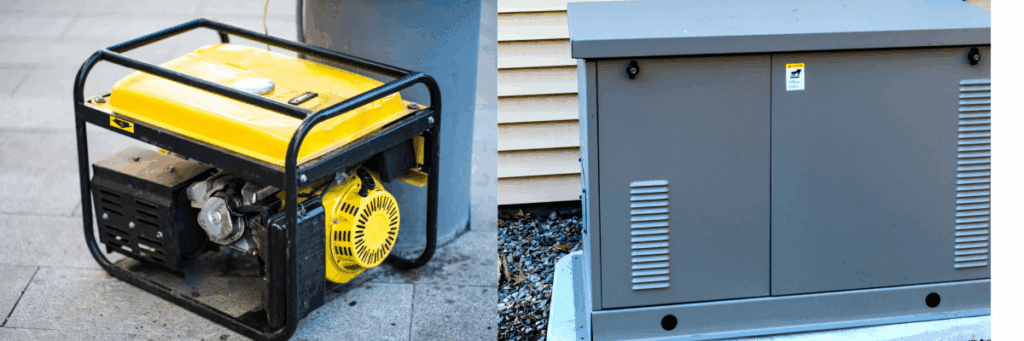
In the event of a power outage caused by extreme cold, accumulating snow or ice, high winds, or other factors, a generator can help allow you to continue with your daily activities.
However, if used incorrectly, they can pose a significant safety risk. If you are purchasing a generator for the first time, note all the appliances, devices, and wattage of all the light bulbs you want to use in the event of an outage. Choose a generator that produces more amps than what you need. If you are unsure what to purchase or need additional help choosing the right generator, contact an electrician.
Store your generator in a dry, well-ventilated area when not in use. When operating the generator, keep it on a dry, stable surface outdoors in a well-ventilated area to prevent electrocution and dangerous carbon monoxide buildup. Before each use, inspect the power cord and plug for cuts or damage. Always turn off the generator and let it cool completely before refueling, and refuel only in a safe, ventilated area to avoid fire hazards. Plug appliances directly into the generator using heavy-duty, properly rated cords. Never connect the generator directly to your home’s electrical system without a professionally installed transfer switch.
One of the most significant risks of generator usage is carbon monoxide (CO) poisoning. According to the American Heart Association, CO is undetectable by a person alone, as it has no smell or visual appearance, making it even more concerning. CO can build up in a home without the homeowner knowing, and can quickly lead to illness or even death.
Installing CO alarms in every level of your home can provide early detection of any CO. NEVER use a generator inside a house, garage, basement, or other partially enclosed space, as all generators need to be used outside and away from doors, windows, and vents. While operating a generator, if you ever start to feel light-headed, sick, or weak, get to fresh air immediately.

5. Fall Prevention
Everyday activities such as stepping out of the car in a parking lot, walking to the mailbox, or taking a walk around the neighborhood can become treacherous in winter weather. With snow, ice, and slick road and walkway conditions, slipping and/ or falling can be very common. So common that, according to the Centers for Disease Control and Prevention, nearly 1 million people slip and fall on snow and ice each year, with 17,000 of these falls fatal. While anyone can fall, the Mayo Clinic identifies general risk factors for an increased risk of falling, including age, a history of falling, poor vision, the use of certain medications, or chronic conditions.
Slick spots are not always visible, making it imperative to take precautions to keep yourself safe. Take your time walking and leave more time to get from point A to point B. Wear appropriate footwear with good traction, and if possible, always keep your cell phone or personal medical alert device in case of an emergency. Clearing driveways and walkways of snow can also reduce your risk of falling; however, use the precautions noted above under the Snow Shoveling section.
In the event you or someone else falls, don’t get up right away or help someone up right away. While it may feel embarrassing, take a moment to assess how you feel before rushing to stand back up. The Mayo Clinic recommends rolling to one side, bending your knees towards you, pushing up with your arms, and using your legs to stand up the rest of the way. If you are unable to get up on your own, ensure whoever is helping you doesn’t get hurt as well. If a fall has resulted in injury, do not hesitate to call 911.
Driving
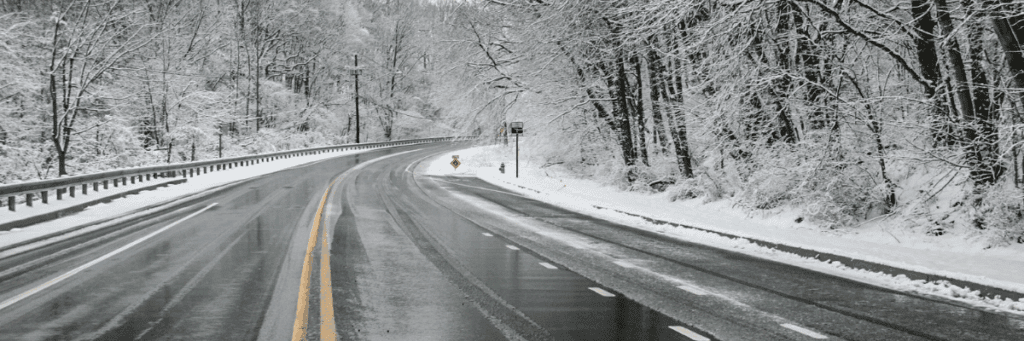
Driving in weather conditions where visibility or roadways may be impacted must be met with caution. The National Highway Traffic Safety Administration notes that in 2023, nearly 23,000 injury crashes were reported as caused by snow or sleet conditions, and 320 were fatal. One of the most important things may seem obvious — slow down. With slick road conditions, it is harder to stop your vehicle, and it may take longer; therefore, increase your following distance behind the car in front of you and take it slow. If you find yourself behind a snowplow, do not attempt to pass the truck or ride its bumper.
As the temperatures drop, so does the inflation pressure of your tires. Ensure your tires are properly inflated, as detailed in your owner’s manual, and inspect your tires at least once a month. As for seatbelts, bulky winter coats should not be worn under a seatbelt, as it creates a dangerous gap between you and the seatbelt, leading to an improper fit of the chest and hips. This applies to both children and adults. When buckling your child into their car seat, remove their puffy winter coat before buckling their harness to ensure a proper fit.
Create a kit to keep in your vehicle in the event of an emergency, including an ice scraper, jumper cables, flashlight, first aid kit, blankets, cell phone charger, water, food, and any necessary medications. Check local weather or traffic reports before heading outside, and if roads aren’t safe, consider skipping non-essential travel until conditions improve.
The information provided in this health insights article is intended for general informational purposes only and is not a substitute for professional medical advice, diagnosis, or treatment. Always seek the advice of your qualified health provider with any questions you may have regarding a medical condition. Don’t disregard professional medical advice or delay in seeking it because of something you have read in this article.
Sources Cited:
How dangerous is winter weather? | abc10.com. (n.d.). https://www.abc10.com/article/weather/accuweather/how-dangerous-is-winter-weather/507-e0a5f7d8-35f9-43c9-97d0-dcbe9f1f5f23
Mammone, S. (2021, August 17). Space Heater Safety Tips. Electrical Safety Foundation International. https://www.esfi.org/space-heater-safety-tips/
Mayo Foundation for Medical Education and Research. (n.d.). Trauma. Mayo Clinic. https://www.mayoclinic.org/medical-professionals/trauma/news/avoiding-the-slip-winter-fall-prevention/mac-20451039
Mendoza, P. (n.d.). What age should you stop shoveling snow? here’s what experts say. Asbury Park Press. https://www.app.com/story/news/2025/12/01/shovel-snow-heart-attack-doctors-snow-shoveling/87550642007/
Safe generator use. Generator Safety | Generator Safety Tips | Red Cross. (n.d.). https://www.redcross.org/get-help/how-to-prepare-for-emergencies/types-of-emergencies/power-outage/safe-generator-use.html?srsltid=AfmBOooWNo_hEmXKrhpHWHlkcsEqxE9KgiZ81ZwAJaYXeIj1E6aR6-ZM
Snow shoveling, cold temperatures combine for perfect storm of heart health hazards. American Heart Association. (n.d.). https://newsroom.heart.org/news/snow-shoveling-cold-temperatures-combine-for-perfect-storm-of-heart-health-hazards
U.S. National Library of Medicine. (n.d.). Hypothermia and frostbite: Easier to develop than you might think | NIH MedlinePlus Magazine. MedlinePlus. https://magazine.medlineplus.gov/article/hypothermia-and-frostbite-easier-to-develop-than-you-might-think
Winter car seat safety: Keeping kids warm without the risk. Poppins log. (n.d.). https://www.heypoppins.com/blog/winter-car-seat-safety-keeping-kids-warm-without-the-risk#:~:text=What%20About%20Older%20Kids%20in,the%20same%20regardless%20of%20age.
Winter weather driving tips. NHTSA. (n.d.). https://www.nhtsa.gov/winter-driving-tips